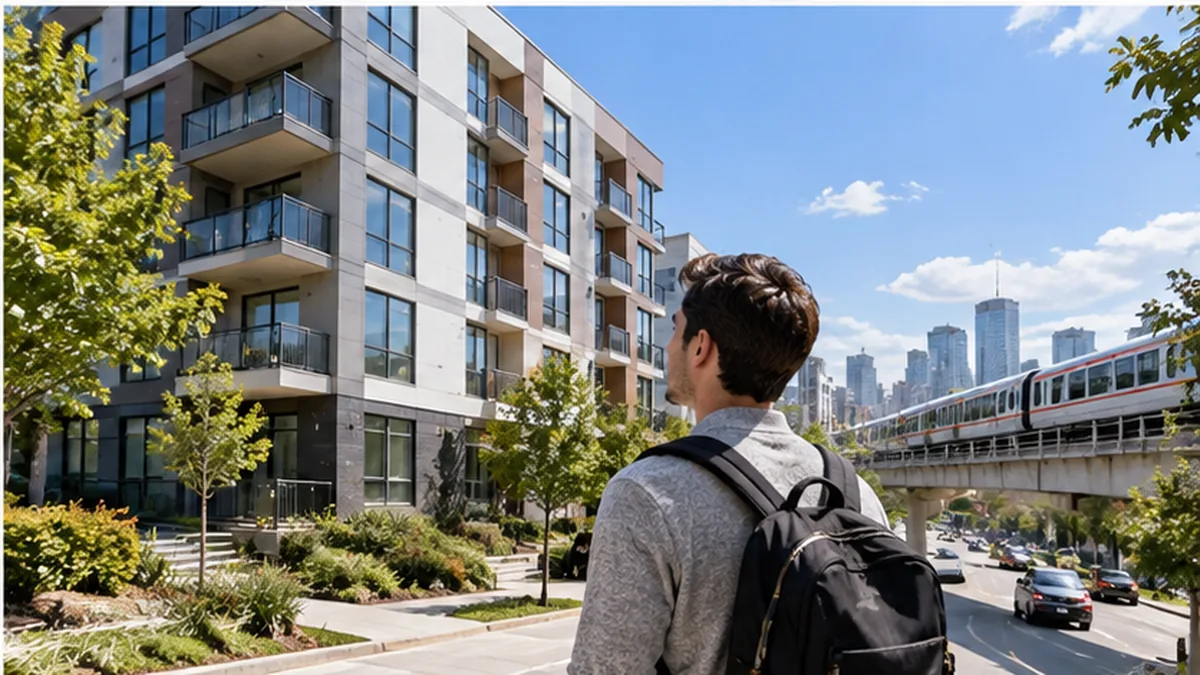
Two apartment buildings on the same street can offer a very different experience. One may have responsive management, quiet hallways and honest pricing, while the other has slow repairs, hidden fees and thin walls. Because the neighborhood is the same, the differences come down to the building itself. This guide explains how to compare apartment buildings in the same neighborhood using the same questions for each one, so your choice is based on facts and not on first impressions.
This guide gives you a consistent way to compare apartment buildings on cost, condition, management, noise and lease terms.
If you are still deciding which area to live in, start with our guide to comparing apartment locations. Once you have narrowed down the neighborhood, use the steps below.
Compare the Total Monthly Cost
Do not compare rent alone. For each building, add the base rent, mandatory fees such as amenity, trash, pest or package fees, parking, pet rent, utilities you pay and renters insurance if it is required. Ask each building for a written move-in cost and monthly cost. A cheaper-looking building can end up more expensive once all charges are added. Our utility costs guide shows how to estimate utilities.
Compare the Unit Itself
If possible, see the exact unit you would rent, not just a model. Check natural light, layout, storage, closet space, the condition of floors, walls and appliances, water pressure, heating and cooling, and the quality of windows. Note cell signal and internet options, which can differ even within the same neighborhood.
Compare Management and Maintenance
Management quality matters as much as the apartment. Ask how repair requests are made, how quickly emergencies are handled and whether maintenance staff are on site. Read recent online reviews and look for patterns, such as repeated complaints about repairs, pests or deposit returns. If you meet current residents on a tour, ask them directly about maintenance and management.
Compare Noise Levels
Visit at different times of day, including evenings and weekends. Listen for traffic, neighbors, hallways, elevators and equipment. Ask which units are quieter and whether there are rules on quiet hours. Our safety and noise check guide explains how to test a unit before you commit.
Compare Parking and Access
If you drive, ask whether parking is guaranteed, how much it costs and whether visitors can park. If you rely on transit or a bike, check bike storage, entrances and walking routes. Consider package handling, trash rooms and move-in elevator rules, which affect daily convenience.
Compare Utilities and Internet
Ask which utilities are included and how others are billed, including any shared billing formulas. Confirm which internet providers serve the building and what speeds are available. Some buildings have exclusive agreements that limit your choice.
Compare Amenities Honestly
A gym, pool or lounge looks attractive on a tour, but ask yourself whether you will use it and whether you are paying for it through higher rent or a monthly amenity fee. Check that amenities are open, clean and in working order, and ask about hours and any extra charges.
Compare Lease Terms and Flexibility
Ask about lease lengths, renewal terms, rent increase history, early termination fees and move-in specials. A “free month” may be offset by higher rent over the lease. Read the lease carefully using our guide to reading an apartment lease, and compare them side by side.
Compare Safety and Security
Look at lighting, door locks, entry systems, cameras, stairwells and parking areas. Ask about past incidents and how management responds to security concerns. For broader context, you can look at local data from the FBI Crime Data Explorer and check fire safety guidance from the U.S. Fire Administration.
Use a Simple Scorecard
Create a table with one row for each building and one column for each factor: total cost, unit condition, maintenance, noise, parking, utilities, amenities, lease flexibility and safety. Score each from one to five and add weights for what matters most to you. A scorecard keeps you from being swayed by a single appealing feature such as a rooftop view.
Questions to Ask on Every Tour
Ask the same questions at each building so the answers are comparable:
- What is the total monthly cost, including every mandatory fee?
- How are repair requests handled, and how fast are emergencies fixed?
- How much has rent increased for current residents at renewal?
- Which units are quietest, and what are the quiet hours?
- Is parking guaranteed, and what do guests do?
- Which internet providers are available, and are there exclusive deals?
- What happens if I need to break the lease early?
Write down the answers during the visit. Memory blurs quickly when you see several buildings in a day.
Compare Apartment Buildings Quick Checklist
- Written total cost for each building.
- Visit the actual unit, at least once during the day and once in the evening.
- Read reviews and speak to residents about management and repairs.
- Ask about parking, internet, utilities and package handling.
- Compare lease terms, renewal history and fees.
- Score each building with the same criteria.
Common Compare Apartment Buildings Mistakes to Avoid
- Choosing on rent alone. Fees and utilities change the real cost.
- Judging by a model unit. The unit you rent may differ.
- Touring only once. A single daytime visit misses noise and activity.
- Overvaluing amenities. Pay only for what you will use.
- Skipping the lease details. The terms often matter more than the decor.
Official Resources for Compare Apartment Buildings
- HUD: Tenant rights, laws and protections
- FBI Crime Data Explorer
- U.S. Fire Administration
- Walk Score: Walkability and transit information
Compare Apartment Buildings at a Glance
To compare apartment buildings fairly, ask the same questions at each tour and score the answers. Use a simple scorecard whenever you compare apartment buildings, so one shiny amenity does not decide for you.
Frequently Asked Questions About Compare Apartment Buildings
How many buildings should I compare?
Three to five is a good range. It gives you enough contrast without becoming overwhelming. Use the same questions and scorecard for each.
Is a newer building always better?
Not always. New buildings may offer modern systems but can have higher rent and more fees. Older buildings may have more character or space but need closer inspection of maintenance and utilities.
How can I tell if management is responsive?
Read recent reviews, ask current residents and test the response yourself by calling or emailing with a question and noting how quickly and clearly they answer.
Should I negotiate?
You can ask about fee waivers, a lower deposit or small repairs before move-in. See our guide to negotiating rent.
Where should I start with compare apartment buildings?
Start with the section on “Compare the Total Monthly Cost”, then move on to “Compare the Unit Itself” and keep short notes as you work through this compare apartment buildings guide.
Final Verdict on Compare Apartment Buildings
When the neighborhood is the same, the details of the building decide your experience. Compare total cost, the real unit, management, noise, lease terms and safety using one consistent method. The best choice is the building that fits your budget and daily life, not the one with the flashiest tour. Keep this compare apartment buildings guide handy as a checklist the next time you compare options.