Moving into a smaller apartment means your belongings will not all fit, and that is not a failure; it is a chance to keep what you use and love. The key is to decide what comes with you before moving day, not after the boxes are stacked in your new living room. This guide explains how to downsize for a smaller apartment with a clear plan, practical storage ideas and less stress.
Moving to a smaller apartment is easier with a plan, so this guide covers measuring, sorting, storage and move-day logistics.
It pairs well with our guide to planning a smooth move and our tips on moving on a budget.
Start With Measurements and a Floor Plan
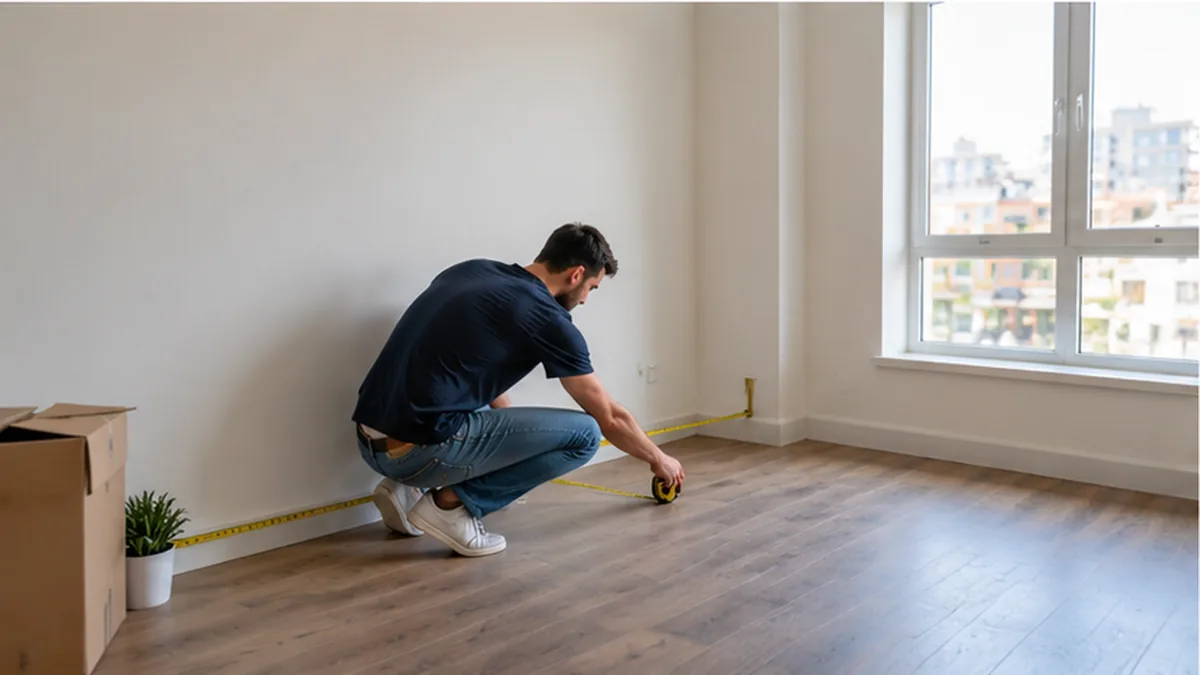
Get the dimensions of every room, closet, doorway and hallway in the new apartment. Sketch a simple floor plan and mark windows, doors, outlets and radiators. Measure your large furniture too. A sofa that fits in the living room may not fit through the door or up the stairs. Check with the building about elevator size and any rules for moving large items.
Take Stock of What You Own
Go room by room and list your belongings. Sort them into five groups: keep, donate, sell, store and discard. Be honest about what you actually use. A helpful test is to ask whether you have used the item in the last year, whether it fits the new space and whether you would buy it again today.
Choose Furniture Carefully
Furniture takes the most space, so decide on the big pieces first. Prefer items that do more than one job, such as a storage bed, a fold-down desk, a sofa bed or a table that extends. Smaller, lighter pieces make rooms feel larger. If you are unsure whether a piece will fit, mark its footprint on the floor of the new space with painter’s tape. If you will not keep a piece of furniture, compare options in our furniture rental versus buying guide.
Use Vertical and Hidden Storage
- Install shelves or tall bookcases to use wall height, with the landlord’s permission for any drilling.
- Use over-the-door hooks, slim organizers and under-bed containers.
- Make good use of closet space with double-hanging rods and stackable bins.
- Keep surfaces clear so the room feels open.
Downsize the Kitchen and Wardrobe
Smaller kitchens need fewer items. Keep what you use weekly, and think about whether you really need duplicates, single-use gadgets and large sets of dishes. For clothes, keep items that fit, suit your lifestyle and are in good condition. Seasonal clothing can be stored in vacuum bags or under-bed bins.
Handle Sentimental Items and Paper
Sentimental objects are the hardest. Keep the items that matter most and display them proudly. For others, take a photo before you let go. Digitize old documents and photos where possible, and keep only the originals you need, such as identity papers, tax records and legal documents.
Sell, Donate or Recycle in Good Time
Start selling and donating weeks before the move, because selling takes longer than expected. Local charities, reuse shops and community groups often accept good-condition furniture and household goods. Schedule donation pickups early, and recycle or dispose of damaged items properly. Do not leave everything for the last weekend.
Think Carefully About a Storage Unit
A storage unit can help in the short term, for example while you decide what to keep. But monthly fees add up, and many people pay for items they never retrieve. If you use storage, set an end date and a budget, and only store things you plan to use or move into a larger home. Compare the total cost of storage with the replacement value of what is inside.
Plan the Logistics
Check the building’s move-in rules, elevator reservations and loading areas at both addresses. If you hire movers, tell them honestly how much you are moving and verify the company, as described in our guide to hiring movers safely. Label boxes by room and mark which furniture will go where so the movers can place it correctly.
Settle In Without Overbuying
Unpack the essentials first and live in the space for a couple of weeks before buying organizers or new furniture. You will quickly learn what you really need. Adopt a one-in, one-out rule so the space stays comfortable.
Smaller Apartment Quick Checklist
- Room, door and stair measurements taken.
- Floor plan drawn and furniture checked against it.
- Belongings sorted: keep, donate, sell, store, discard.
- Large furniture decided first.
- Storage solutions chosen: vertical, under-bed, closet.
- Donation and selling dates set early.
- Building move-in rules confirmed.
Common Smaller Apartment Mistakes to Avoid
- Moving everything “just in case.” Moving unneeded items costs money and space.
- Skipping measurements. Furniture that does not fit is a costly mistake.
- Starting too late. Selling and donating take time.
- Using storage as a dumping ground. You may pay more than the items are worth.
- Buying organizers before you move in. You may not need them.
Official Resources for Smaller Apartment
Smaller Apartment at a Glance
Moving into a smaller apartment works best when you measure first, keep only what fits your life and use vertical storage. Revisit this smaller apartment plan if your belongings still do not fit.
Frequently Asked Questions About Smaller Apartment
How do I decide what to keep?
Ask whether you used it in the last year, whether it fits the new space and whether you would buy it again. Keep the items that pass all three questions and those with strong sentimental value.
Is it better to sell or donate?
Sell items that have real resale value and are easy to ship or collect. Donate the rest to save time. Set a deadline for sales so unsold items do not follow you to the new home.
Should I rent a storage unit?
Only if you have a clear plan and an end date. Otherwise, the monthly cost can exceed the value of the items stored.
How much furniture will fit?
Measure the new rooms and your furniture, then mark the footprint on the floor with tape. Leave walking space around each piece.
Where should I start with smaller apartment?
Start with the section on “Start With Measurements and a Floor Plan”, then move on to “Take Stock of What You Own” and keep short notes as you work through this smaller apartment guide.
Final Verdict on Smaller Apartment
Downsizing works best when you plan around the new space. Measure first, sort honestly, choose multi-purpose furniture, use vertical storage and give yourself time to sell or donate. You will move less, spend less and enjoy a home that feels organized and comfortable. Keep this smaller apartment guide handy as a checklist the next time you compare options.