A lease is the most important document in any rental. It sets how much you pay, what you are responsible for, when you can leave and what happens to your deposit. Yet many renters skim it because the landlord is waiting, the apartment is in demand or the pages are packed with dense legal wording. Learning to read an apartment lease properly takes about an hour and can save you hundreds or even thousands of dollars.
Before you sign, read apartment lease terms with this guide: clauses to understand, fees to add up and red flags to question.
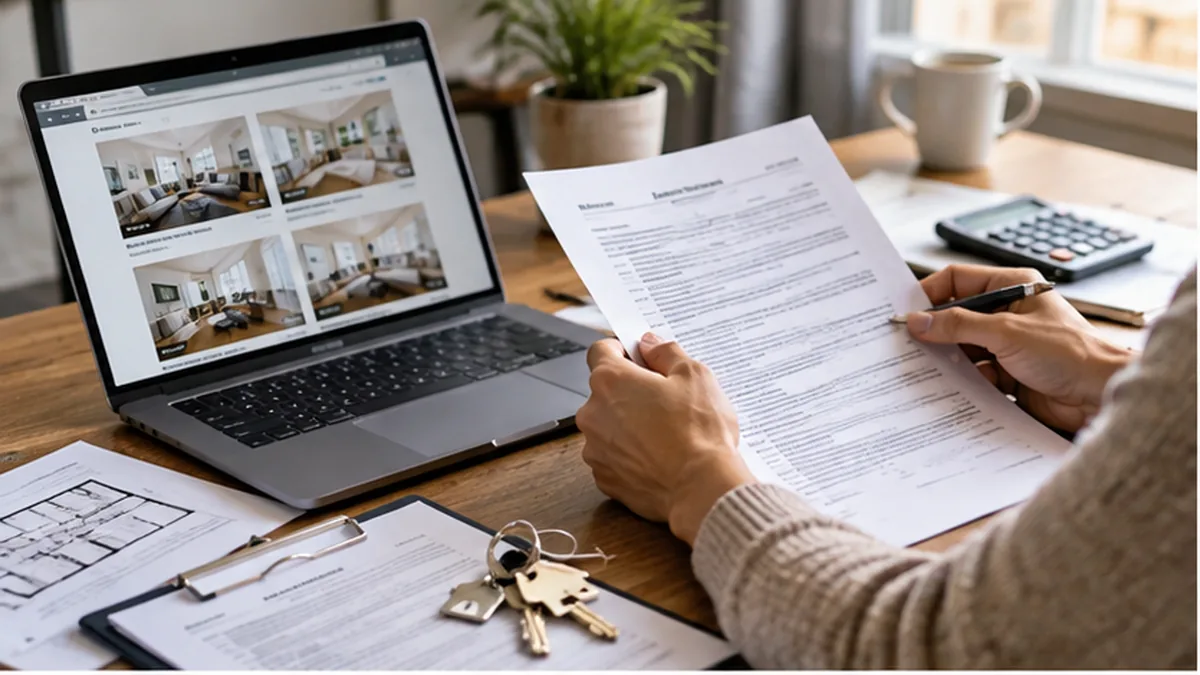
This guide walks through a lease in the order you will meet it, explains the clauses that cause the most disputes and lists what to ask before you sign. It pairs well with our security deposit guide and our list of questions to ask before renting in a new city. Rental law differs by state and country, so treat this as a framework for asking good questions, not as legal advice.
Get the Full Lease Before You Commit
Ask for the complete lease, including every addendum, house rule and attachment, before you pay a holding deposit or sign anything. You want to read the document you will actually be bound by, not a summary or a sample. A reasonable landlord will let you review it for a day. Pressure to sign immediately is information in itself, so slow down and read.
Confirm the Basics: Parties, Unit and Term
Start with the facts that are easy to get wrong. Check that the unit number and address are correct, that every adult who will live there is named, and that the landlord or management company is identified with an address for notices. Then look at the term. Is it a fixed term, such as twelve months, or month-to-month? Find out what happens when the term ends. Some leases renew automatically and require written notice weeks in advance if you do not want to stay.
Understand Every Dollar You Will Pay
List every charge in the lease and add them up. Look for the monthly rent, due date, accepted payment methods, grace period and late fee (is it a flat amount or does it grow daily?). Check for administrative fees, amenity fees, pet rent, parking, trash, pest control and package fees. Note whether the lease allows rent increases during the term or only at renewal. Then confirm which utilities you pay; our apartment utility costs guide shows how to estimate them. Ask for a written total of your move-in costs and your recurring monthly costs so there are no surprises.
Deposits, Fees and Move-Out Charges
Find the deposit amount, where it is held and the conditions for deductions. Good leases distinguish ordinary wear and tear from damage. Be careful with clauses that automatically charge for cleaning, painting or carpet replacement regardless of condition. Non-refundable fees are different from refundable deposits, so know which is which. Check how soon the deposit must be returned and how to give a forwarding address. The timeline and rules vary by state, so confirm yours.
Rules on Occupants, Guests, Pets and Subletting
These clauses shape daily life. Look for limits on the number of occupants, how long a guest may stay, smoking rules, quiet hours, parking rules and whether you may sublet or add a roommate. If you have a pet, check for breed or weight limits, pet deposits and monthly pet rent. Assistance animals are treated differently from pets under fair housing rules; see our guide to moving with pets for more. If a rule matters to you, ask about it before signing, not after.
Repairs, Maintenance and Entry
Work out who is responsible for what: appliances, heating and cooling, pests, filters, yard care or snow clearing. The lease should say how to request repairs (a portal, phone number or written notice) and how quickly emergencies are handled. Read the clause on the landlord’s right to enter. Many places require advance notice except in emergencies. Whatever the clause says, put repair requests in writing and keep copies.
Ending Early, Renewing and Moving Out
Find the early termination clause. It may charge a fee, require you to pay until a new tenant is found or give you no option at all. Note the required notice period for moving out, which is often thirty to sixty days but can differ. Some places give extra protections in situations such as military deployment or domestic violence, so ask about local rules if they apply to you. Also read what the lease says about rent increases at renewal and about holding over after the term ends.
Disclosures to Look For
In the United States, landlords of homes built before 1978 must disclose known lead-based paint hazards and provide an information pamphlet. Other disclosures depend on where you live and may cover flood risk, mold, bed bugs or how utility costs are shared. If a disclosure you expect is missing, ask about it in writing. You can find general tenant rights information from HUD.
Red Flags in a Lease
- Blanks left unfilled, or a landlord who offers to “fill them in later”.
- Verbal promises, such as new paint or a parking space, that are not written into the lease.
- Clauses saying you waive all legal rights or accept the unit “as is” with no move-in inspection.
- Permission for the landlord to enter at any time without notice.
- Automatic renewal with a very short or hard-to-meet notice window.
- Very broad fees or charges that are not clearly defined.
Some clauses may be unenforceable where they conflict with local law, but you should not rely on a court to fix a bad lease after you sign it.
Before You Sign: Checklist
- Read every page and every addendum.
- Mark anything unclear and ask for answers in writing.
- Get verbal promises added to the lease and initialed.
- Confirm total move-in cost and monthly cost in writing.
- Complete a move-in inspection with dated photos and submit it in writing.
- Keep a signed copy, both digital and paper, plus receipts for every payment.
- Put key dates in your calendar: rent due date, renewal notice deadline and lease end.
Common Read Apartment Lease Mistakes to Avoid
- Signing under time pressure. A day to read is a reasonable request.
- Assuming nothing is negotiable. Move-in date, pet fees, parking and pre-move-in repairs can often be negotiated, especially when demand is slower. See our guide to negotiating rent.
- Ignoring roommate liability. If the lease makes all tenants responsible for the full rent, one person’s missed payment can become everyone’s problem.
- Paying cash without a receipt. Always get written proof of payment.
- Skipping the move-in photos. Without evidence, it is harder to dispute deposit deductions later.
Official Resources for Read Apartment Lease
- HUD: Tenant rights, laws and protections
- National Association of Attorneys General: Find your state attorney general
- 211: Find local housing and legal aid help
Read Apartment Lease at a Glance
Before you sign, read apartment lease terms for fees, deposit rules, repairs and early termination. Always read apartment lease addenda and house rules the same way.
Frequently Asked Questions About Read Apartment Lease
Can I negotiate a lease?
Often, yes, at least on some points. Move-in date, lease length, pet fees, parking and repairs before move-in are common requests. Large property managers may use standard forms but can add an addendum. Make sure any change is written into the lease and initialed by both sides.
What if I find a problem after signing?
Check whether your lease or local rules give a review or cancellation period. Ask the landlord for a written amendment and keep a record of the conversation. If the problem is serious, contact a local tenant organization or legal aid service. Avoid withholding rent without advice, because rules vary and mistakes can be costly.
Is a verbal promise from the landlord binding?
Verbal promises are hard to prove, and many leases state that the written document is the whole agreement. If something matters to you, get it in writing before you sign.
Should a lawyer review my lease?
For a standard residential lease it is usually not necessary, but consider free or low-cost help from a tenant organization or legal aid service if the lease is unusually long, contains clauses you do not understand or involves a large financial commitment.
Where should I start with read apartment lease?
Start with the section on “Get the Full Lease Before You Commit”, then move on to “Confirm the Basics: Parties, Unit and Term” and keep short notes as you work through this read apartment lease guide.
How long does it take to read apartment lease paperwork?
Plan for about an hour. When you read apartment lease terms, go through every page and addendum slowly, mark anything unclear and ask for answers in writing before you sign. Make it a habit to read apartment lease addenda and house rules the same way.
Final Verdict on Read Apartment Lease
A lease is a contract you will live with every day, so it deserves your full attention before you sign. Read every page, add up every cost, ask for promises in writing and document the condition of the home on day one. An hour of careful reading now is far cheaper than a dispute later. Keep this read apartment lease guide handy as a checklist the next time you compare options.